Sell Specific Not Generalities In his classic book, Scientific Advertising (Harper & Brothers,1936), Claude Hopkins wrote, "Platitudes and generalities roll off the human understanding like water from a duck." But it's the sentence that followed, that we, as marketers trying to build
profits, need to imprint into our brains. "They leave no impression whatever." When's the last time you slammed on the brakes because you saw an 'Our prices have been reduced' sign in the window
of one of your favorite stores? Best in the world. Superior quality. Faster than the competition. Blah, blah and blah. In fact, by being so general, you pretty much set yourself up for marketing failure. Specifics, on the other hand, sell. And here's why: Your sales argument can often be amplified when you make it specific. Let's say that your toothpaste makes teeth much whiter than another
brand. If you just say that, you're missing out. But by stating that it whitens teeth by removing up to 90% of stains in just 14 days for a noticeably whiter smile, people will likely
assume that you have made tests and comparisons. So, if specifics are so much better at attracting a prospect's attention and getting him to buy, why don't more marketers do it? Two
reasons. First, it takes effort to research and understand information about products and markets. It's difficult work. It takes time. And imagination. Often the writer takes the easy route and
writes the sales copy from a brochure without taking time to dig out the little known facts that often tip the scales in favor of a sale. Here's an example...On their website, Tilley Hats offers a 4-page Owners Manual for their Raffia hats. Four pages! For a hat! You almost feel obliged to buy one after you see the detail some copywriter pulled together so you will be convinced of the value of owning a Tilley Raffia hat. Stuff like this: The raffia palm plant from Madagascar has the longest leaves in
the plant kingdom - up to 20 metres (over 60 feet) in length.The long fibres obtained from the raffia palm are braided by hand. Each braid is then sewn together into a 'form' which is 'blocked' using presses, steam and molds. The result is a beautifully shaped hat with a tight weave that provides excellent sun-blocking protection without losing its breathability. It is these wonderfully flexible fibres that make it crushable and easy to pack. And the second reason more marketers don't use specifics? Some writers are not research oriented. They don't believe specifics are important. Many feel tone and emotion are enough to carry the day and that consumers do not want facts. Wrongo. Keep in mind, your prospects have no idea what goes into delivering your product or service. It's your job to communicate the specifics behind your great offering and present them to
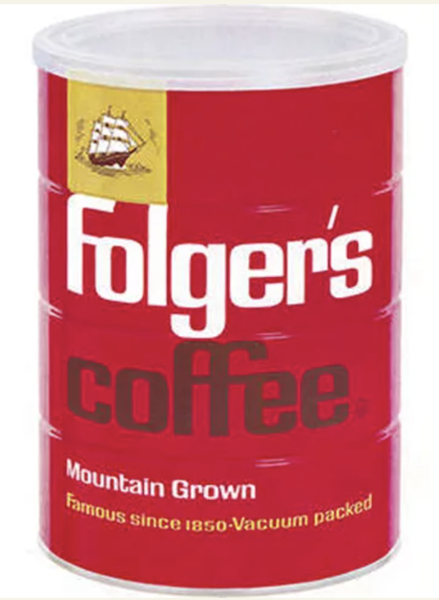
your prospect in the form of benefits. Go back and re-read how the writer used specific facts about the making of the Raffia Tilley hat to explain to the reader how it would benefit him. Pretty convincing. Wouldn't you be more likely to pay extra for a Tilley hat when the value behind it is presented in such an compelling way? Great story about Folgers coffee and specifics. Years ago, Maxwell House was the Big Kahuna in the coffee biz. They were out selling competitors by 5 to 1. Folgers hired a copywriter to create ads that would help them gain marketshare. The copywriter learned that Folger's coffee was mountain grown. Folger's started stamping their cans with the words "Mountain Grown" on it. Shoppers, thinking a coffee that was mountain grown HAD to be better than all the other brands - including Maxwell House - couldn't buy it fast enough. The best part? MOST coffee is mountain grown. Any brand could have used this fact to make their product seem more appealing. Folger's was the one who did it and watched their sales soar! |